
The shades of green are among the most refreshing and calming colors used in art and design. From the light tones of fresh leaves to the deep richness of forest greens, this color offers a wide variety of beautiful variations. Understanding the shades of green helps artists and designers create balanced, natural, and visually pleasing compositions.
Green is often associated with nature, growth, harmony, and freshness. It has a soothing effect on the eyes and is widely used in creative fields to create a sense of calm and stability. In this blog, we will explore how different shades of green work and how you can use them effectively in your artwork.
What Are Green Color Shades?
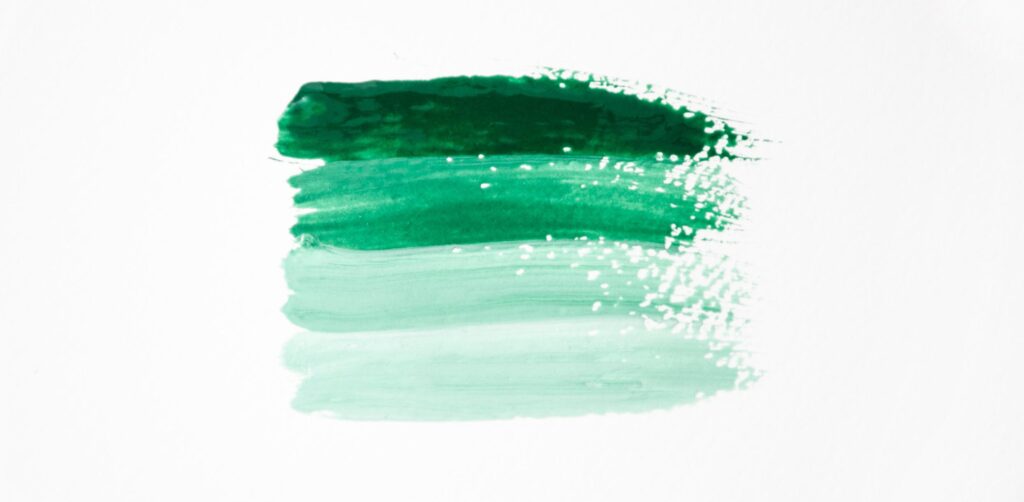
Shades of green refer to different variations created by mixing green with other colors. When black is added, it creates darker tones, while white produces lighter tones. These variations are commonly known as green color shades, and each one has a unique look and feel.
In addition to shades, artists also create tints and tones by mixing green with white or grey. These variations help in expanding the range of green shades available for creative use. Some greens appear bright and lively, while others feel soft and earthy.
Understanding these variations helps artists use the color wheel more effectively and create better compositions.
Green in the Color Theory Wheel
Green holds an important position in the color theory wheel. It is a secondary color, created by mixing two primary colors—blue and yellow.
Because of this, green naturally carries qualities of both colors
- Blue → calm and stability
- Yellow → energy and brightness
This balance makes green one of the most versatile colors in the color wheel.
In digital design, green is also part of RGB colors, where it plays a major role in creating different color combinations on screens.
Types of Green
There are many types of green, and they can be grouped into three main categories based on their tone and intensity.
1. Light Green Shades
Light green color shades are fresh, soft, and calming. These are created by adding white to green.
Examples include
- Mint Green
- Light Lime
- Pastel Green
These shades of green are often used to represent freshness, youth, and nature. They are perfect for soft and minimal designs.
2. Medium Green Shades
Medium green shades are balanced and natural. They are commonly seen in plants and everyday surroundings.
Examples include:
- Grass Green
- Leaf Green
- Sea Green
Sea green is especially popular for its soothing and refreshing appearance. These types of green are widely used in both art and design because they are neither too bright nor too dark.
3. Dark Green Shades
Dark shades of green are deep, rich, and strong. These are created by adding black or blue to green.
Examples include:
- Olive Green Color
- Forest Green
- Peacock Green Color
Olive green color gives an earthy and natural feel, while peacock green color appears more vibrant and luxurious. These green color shades are often used to add depth and elegance to designs.
Green Color Combinations and Complementary Colors
A good understanding of complementary colors helps in creating strong and attractive designs. On the color wheel, the complementary color of green is red.
When green and red are used together, they create high contrast and make designs more eye-catching.
Some effective combinations include:
- Green + White → clean and fresh look
- Green + Brown → natural and earthy feel
- Green + Gold → rich and elegant style
Using the right green shades in combinations helps create harmony and balance in artwork.
Why Understanding Shades of Green Is Important
Learning about shades of green is essential for artists and designers because it improves their understanding of color relationships.
By exploring different types of green, you can:
- Create better color combinations
- Use the color theory wheel effectively
- Understand how primary colors influence secondary colors
- Add depth and realism to your artwork
Different green color shades help you express emotions like calmness, freshness, and stability in your designs.
Creating Your Own Green Shades
You can also create your own shades of green by mixing colors:
- Green + White → Light green
- Green + Black → Dark green
- Green + Yellow → Brighter green
- Green + Blue → Cooler green
Experimenting with these combinations helps you discover new green shades and expand your creativity.
The shades of green offer endless creative possibilities. From soft and fresh tones to deep and rich hues, each variation has its own unique beauty. By understanding the shades of green, you can improve your color knowledge and create more visually appealing and balanced designs. Whether you are a beginner or an experienced artist, exploring the shades of green will help you enhance your creativity and bring more life to your artwork.