
The shades of blue are among the most beautiful and versatile colors used in art and design. From the soft tones of the sky to the deep hues of the ocean, blue offers a wide range of variations that can completely change the mood of any artwork. Understanding the shades of blue helps artists, designers, and beginners create visually appealing and balanced compositions.
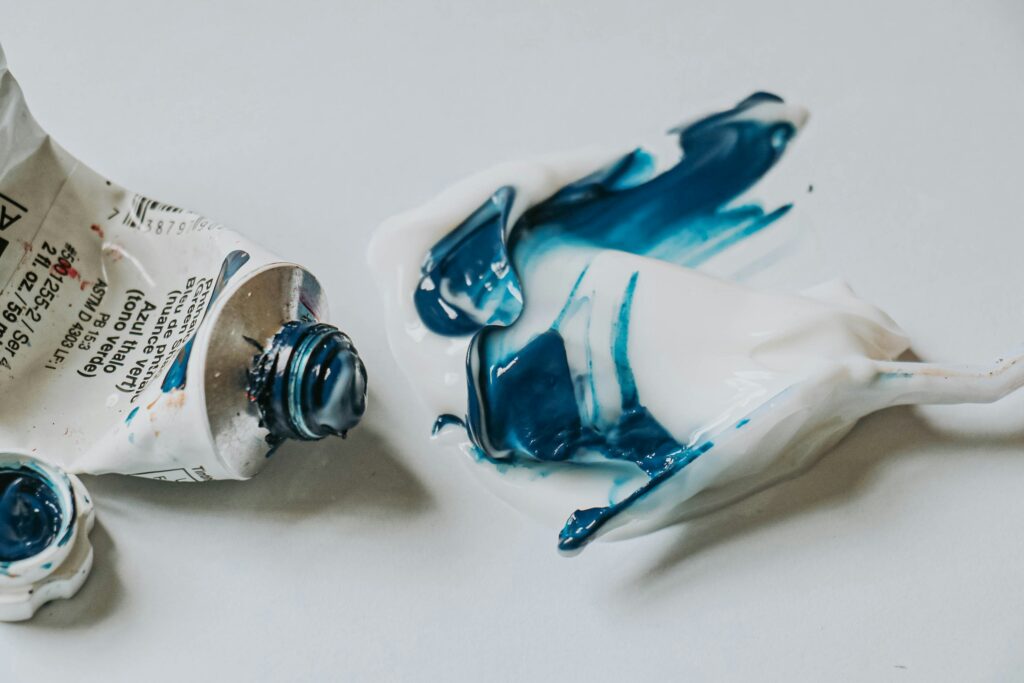
One important fact is that blue is a primary color. Along with red and yellow, blue forms the base of the color wheel. This means it cannot be created by mixing other colors, but it is used to create many other colors. Because of this, blue plays a very important role in color theory.
In this blog, we will explore different shades of blue, their meanings, and how to use each tone effectively in art and design.
Blue as a Primary Color
Blue is one of the three primary colors in the color wheel. The primary colors are:
- Red
- Blue
- Yellow
These colors cannot be created by mixing other colors. Blue is especially important because it helps in creating many other colors.
For example:
- Blue + Yellow = Green
- Blue + Red = Purple
This shows how important blue is in creating different shades of blue and expanding the color palette. Understanding this concept makes it easier to explore the shades of blue more effectively.
What Are Shades of Blue?
The term shades of blue refers to different variations of blue created by mixing it with other colors. When black is added to blue, it creates darker tones known as shades of blue, which appear deeper, richer, and more intense.
In general use, people also include lighter and softer variations when talking about different shades of blue. Each blue shade has its own unique look and feel. Some shades appear calm and peaceful, while others feel strong and bold.
Understanding these variations helps artists and designers use colors more effectively in their artwork and create balanced compositions
Types of Blue Color
There are many types of blue, and they are usually divided into three main categories: light, medium, and dark.
1. Light Blue Shades
Light shades of blue are soft, calming, and refreshing. They are often associated with the sky, water, and peace.
Examples include:
- Sky Blue
- Baby Blue
- Powder Blue
- Ice Blue
These blue shades of color are perfect for creating a peaceful background or a soft aesthetic. Artists often use the blue color in different shades in landscapes and minimal designs.
2. Medium Blue Shades
Medium shades of blue are balanced and vibrant. They are not too light or too dark, making them very versatile.
Examples include:
- True Blue
- Cerulean Blue
- Azure
- Cobalt Blue
These types of blue colors are widely used in paintings, illustrations, and digital design. They bring freshness and clarity to the artwork.
3. Dark Blue Shades
Dark shades of blue color are deep, rich, and powerful. They are often linked with strength, professionalism, and elegance.
Examples include:
- Navy Blue
- Midnight Blue
- Indigo
- Prussian Blue
These different shades of blue add depth and contrast, making the artwork more impactful and visually interesting.
Blue Color Different Shades, and Their Meaning
Each blue shade carries a different emotional meaning, which makes it very useful in art and design.
- Light shades of blue color → calm, peace, relaxation
- Medium blue shades of color → balance, clarity, freshness
- Dark blue color, different shades → power, trust, stability
By understanding these meanings, you can choose the right shades of blue to express the mood of your artwork.
How to Create Shades of Blue
Creating your own shades of blue is simple and helps you explore creativity.
You can make different shades of blue by mixing:
- Blue + Black → Dark blue shade
- Blue + White → Light blue (tint)
- Blue + Grey → Soft tone
- Blue + Green → Turquoise-like shades
- Blue + Purple → Rich deep tones
Experimenting with these combinations allows you to discover more types of blue color and expand your color knowledge.
Uses of Shades of Blue in Art and Design
The shades of blue are widely used in many creative fields because of their flexibility and beauty.
In Painting
Artists use shades of blue for:
- Sky and clouds
- Oceans and rivers
- Shadows and depth
Different shades of blue help create realistic and emotional artwork.
In Graphic Design
In design, different shades of blue are used to:
- Create professional logos
- Design modern websites
- Build trust with viewers
Blue is one of the most trusted colors in branding.
In Fashion
Fashion designers use various types of blue, color like:
- Denim blue
- Navy blue
- Pastel blue
Each blue shade gives a different style and vibe.
In Interior Design
In interiors, shades of blue are used to:
- Create calm and relaxing spaces
- Design bedrooms and living rooms
- Add elegance with darker tones
Light blue shades of color make spaces feel open, while darker shades add depth.
Tips for Using Blue Shades Effectively
To use shades of blue effectively in your artwork:
- Combine light and dark blue color different shades for contrast
- Use light shades for the background and dark shades for the focus
- Mix blue with other colors for variety
- Balance different shades of blue properly
These tips will help you create more attractive and professional designs.
Why Learning Shades of Blue Is Important
Understanding shades of blue color is essential for every artist because it helps in:
- Improving color knowledge
- Creating better compositions
- Enhancing visual appeal
- Expressing emotions through colors
The more you explore different types of blue, the better your artwork will become.
The shades of blue offer endless creative possibilities. From soft and calming tones to deep and powerful hues, each blue shade has its own importance in art and design. Since blue is a primary color, it plays a key role in forming many other colors and variations. By understanding the blue color different shades and practicing with them, you can improve your creativity and create stunning artwork. Whether you are a beginner or an experienced artist, mastering the shades of blue color will take your skills to the next level