
The colors of color wheel play a very important role in art and design. Whether you are a beginner or an experienced artist, understanding the color wheel helps you choose the right combinations and create visually appealing artwork. A color theory wheel is a simple circular diagram that shows how different colors relate to each other.
In this blog, we will explore everything about the colors of the color wheel, including primary, secondary, and tertiary colors, along with useful concepts like shades and color combinations.
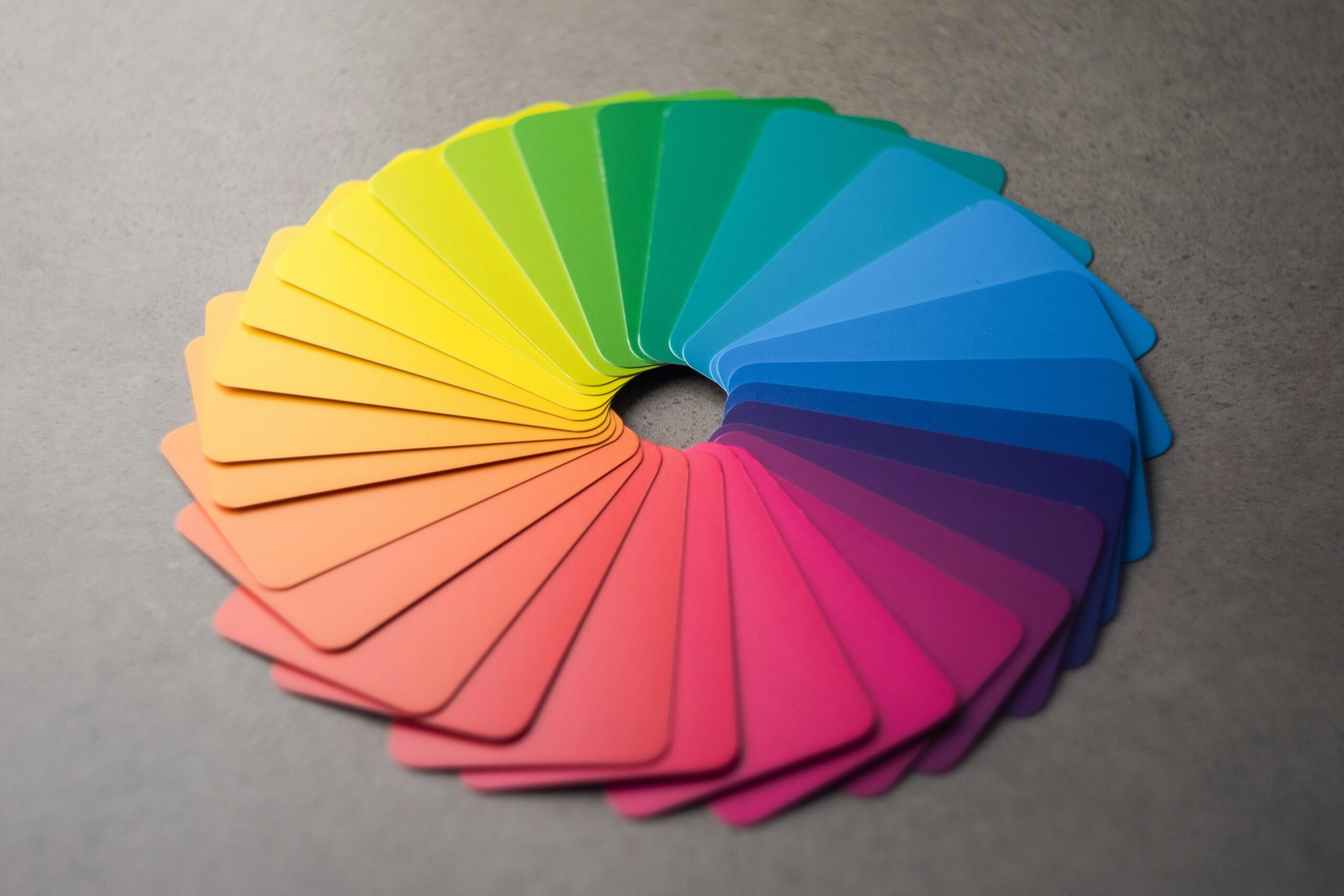
Understanding the Color Wheel
On a color wheel, colors are arranged in a circle to clearly show their relationships, mixing behavior, and visual harmony. This structure helps artists and designers quickly understand which colors work well together and how to create new colors.
In a color wheel, there are three main types of colors:
- Primary Colors
- Secondary Colors
- Tertiary Colors
Primary colors form the base of the wheel and cannot be created by mixing other colors. Secondary colors are formed by mixing two primary colors, while tertiary colors are created by combining a primary color with a nearby secondary color.
Apart from these categories, the color wheel also helps in understanding color temperature (warm and cool colors), contrast, and balance. Warm colors like red, orange, and yellow create energy and vibrance, while cool colors like blue and green give a calm and soothing effect.
Overall, the color wheel is not just a diagram but a practical tool that guides artists in choosing the right color combinations and improving the overall quality of their artwork.
1. Primary Colors

Primary colors are the base of all colors. These colors cannot be created by mixing other colors.
- The three primary colors are:
- Red
- Blue
- Yellow
These are the foundation of the colors of the color wheel, and all other colors are derived from them.
2. Secondary Colors
Secondary colors are created by mixing two primary colors.
Examples:
- Red + Yellow = Orange
- Blue + Yellow = Green
- Red + Blue = Purple
These combinations are clearly shown in the color theory wheel, helping artists understand color relationships.
3. Tertiary Colors
Tertiary colors are made by mixing a primary color with a nearby secondary color.
Examples:
- Red + Orange = Red-Orange
- Blue + Green = Blue-Green
- Yellow + Green = Yellow-Green
These colors add more variety and depth to the colors of the color wheel.
4. Shades of Colors
Shades are created by adding black to a color, making it darker.
For example:
- shades of blue– navy, midnight blue
- shades of red– maroon, burgundy
- shades of green– forest green, olive
Understanding shades helps in creating realistic and detailed artwork.
5. Tints and Tones
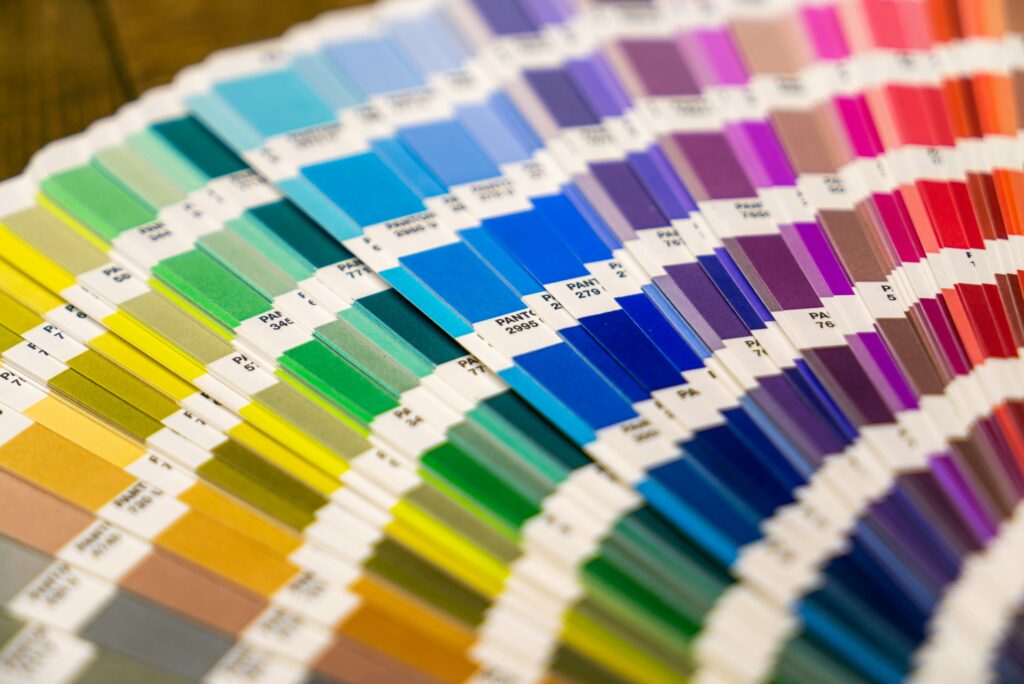
- Tints: Adding white to a color (makes it lighter)
- Tones: Adding grey to a color (makes it softer)
These variations are also part of the colors of a color wheel and are widely used in painting and design.
6. Color Harmony
The color theory wheel helps in creating beautiful color combinations:
- Complementary Colors (opposite colors)
- Analogous Colors (next to each other)
- Triadic Colors (evenly spaced)
These combinations make your artwork more balanced and attractive.
The Colors of color wheel are essential for every artist. From primary to tertiary colors, and from shades of blue, shades of red, to shades of green, each element helps in creating stunning artwork. By understanding the colors of color wheel, you can improve your creativity and make better color choices in your art.